Description
The book of Acts and the apostolic writings show the rapid expansion of the Gospel and the formation of communities centered upon the risen Messiah. But as the apostolic generation passed away, the story entered a new and complicated period.
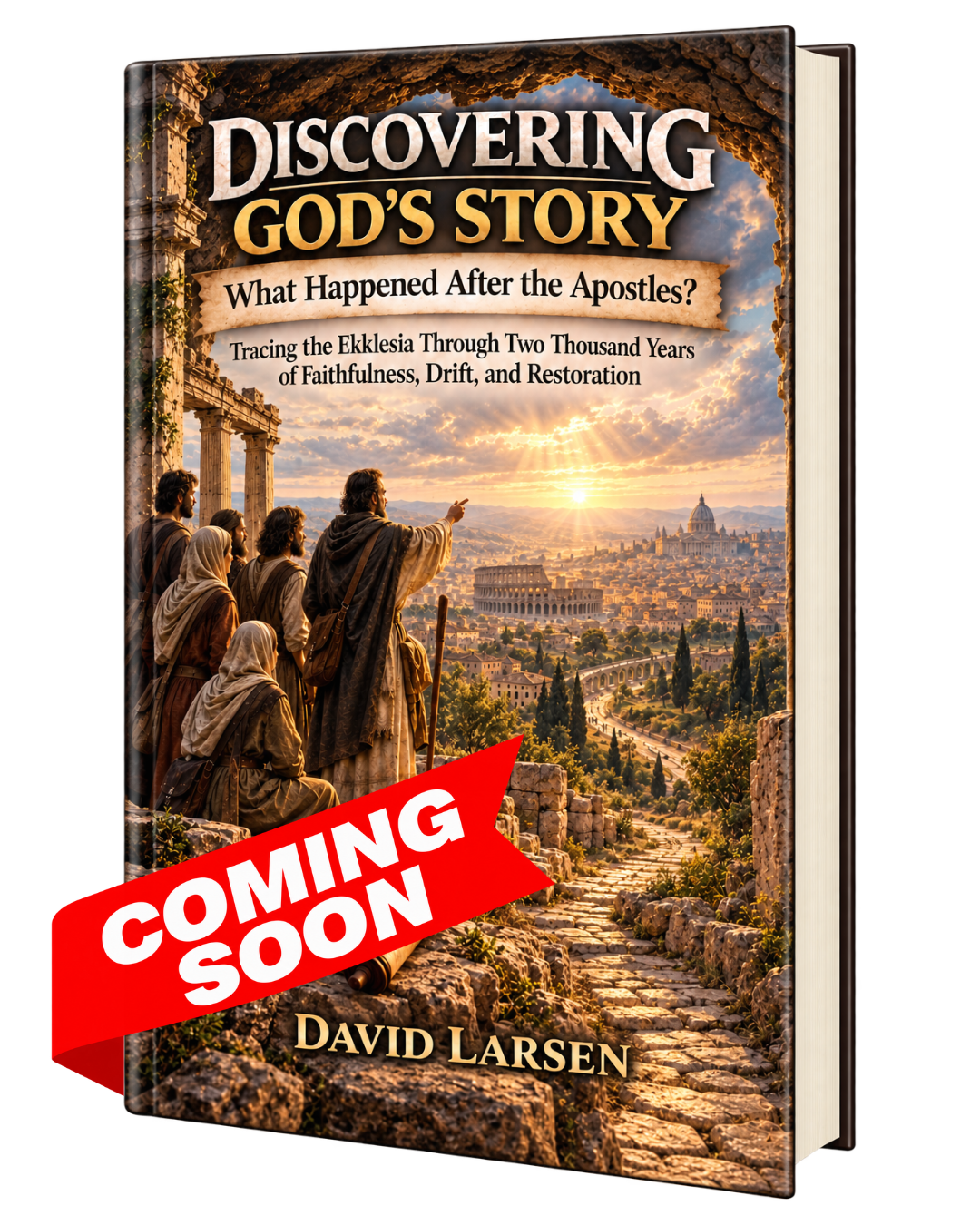
What Happened After the Apostles? follows the development of the Christian movement after the first century and asks an important question: How did the community described in the apostolic writings gradually become the institutional church that emerged in later centuries?
This is not intended simply as a timeline of emperors, councils, denominations, and famous church leaders. It follows the development of beliefs, practices, leadership structures, worship, doctrine, and institutional authority, asking when significant changes began, why they developed, and how they compared with the biblical foundation established by Yahshua and the apostles.
Readers encounter the challenges facing the early post-apostolic communities, the growth of episcopal authority, conflict with competing teachings, persecution, the relationship between the church and the Roman Empire, the major councils, the development of what became known as orthodoxy, the rise of the medieval church, division between East and West, the Reformation, and the continuing multiplication of traditions and denominations.
The story is not presented simply as one long decline. Throughout history there were men and women who sincerely sought Yahweh, preserved Scripture, resisted corruption, called for reform, suffered for conviction, and attempted to recover truths that had been obscured. Faithfulness and drift frequently existed side by side.
The purpose of the book is therefore not merely to criticize church history. It is to help readers understand how we arrived where we are today.
Many teachings and practices now assumed to be ancient, obvious, or universally Christian developed gradually over centuries. Understanding that history allows readers to distinguish more carefully between what originates in the biblical narrative and what entered through later tradition, philosophy, politics, institutional development, or cultural adaptation.
The question is not whether everything that developed after the apostles was wrong, nor whether everything earlier was automatically right. The question is whether what was received can be examined honestly against the biblical foundation.
What Happened After the Apostles? invites readers to follow that history with humility, curiosity, and discernment, recognizing both the failures and faithfulness of those who came before us while asking what it means for Yahweh’s people today to recover the life, mission, and covenant identity revealed in Scripture.
To understand where we are, it helps to understand how we got here. And once we understand how we got here, we can more faithfully ask where the biblical story is calling us to go now.
Reviews
There are no reviews yet.